Your membership has expired

The payment for your account couldn't be processed or you've canceled your account with us.

Re-activate

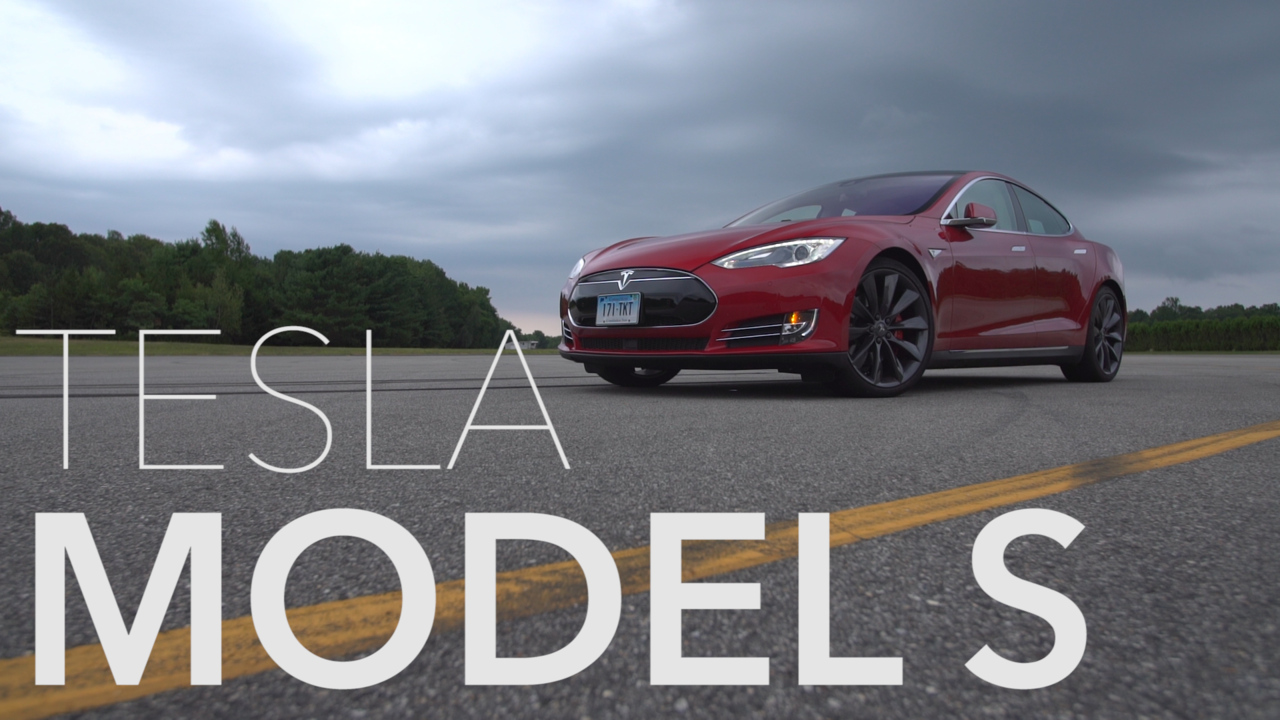
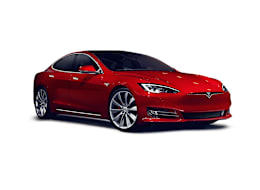
Tesla Model S

EPA Range: 259 miles

RECALL ALERT:
There are 10 recalls on this vehicle. Learn More.

Reliability

Overall Reliability

The 2016 Model S is less reliable than other cars from the same model year.

The 2016 Tesla Model S has been recalled 10 times by NHTSA. View Recalls
Most Common Trouble Spots
Common Trouble Spot
Common Trouble Spot

Owner Reported Trouble Spots

The Reliability score is based on our latest subscriber survey of 2016 Tesla Model S owners. The owner comments describe problems respondents experienced with this vehicle.

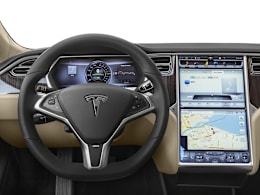
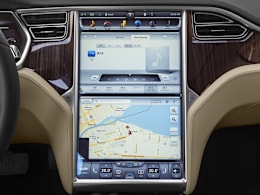
In-car Electronics

Infotainment system (audio, GPS, phone), rear entertainment system, backup or other camera/sensors, head-up display.

What Owners Say

Display screen goes blank

"Actually happened about five years ago, but Tesla covered the cost of putting in a new upgraded computer so that it can continue to download all the new upgrades"

Anonymous, CA (2016 Tesla Model S 75D Electric)
Hardware replacement

"THe screen completely stopped working, which was a terrible safety hazard. I had to pay ove $3,000 USD to replace whe whole screen and system."

Anonymous, CA (2016 Tesla Model S 75D Electric)
Other in-car electronics problem

"Display screen developed bubbles and had to be replaced"

Anonymous, CA (2016 Tesla Model S 75 Electric)

"Screen cracks around edges for both the main screen and the driver panel. Main screen cracked and leaked plastic to the compartment underneath. $3k to replace"

Anonymous, NV (2016 Tesla Model S 75 Electric)

Body Hardware

Windows, locks and latches, doors or sliding doors, tailgate, trunk or hatch, mirrors, seat controls (power or manual), seat belts, sunroof, convertible top, glass defect.

What Owners Say

Door handle

"Driver's exterior door handle failed and had to be replaced. This is the second time to fix this issue."

Anonymous A., KS (2016 Tesla Model S 90D Electric)
Seat belts

"Passenger seatbelt retracts and remains uncomfortably tight, never relaxing. The passenger must undo the seatbelt, fully retract then reconnect it while holding slack in the belt with right hand. A problem on every single trip. Sitting in that seat is massivly uncomfortable. Not resolved."

Anonymous, WA (2016 Tesla Model S 90D Electric)
Windows

"The rear passenger window would not go up."

Anonymous A., CA (2016 Tesla Model S 85 Electric)

Electrical Accessories

Cruise control, clock, warning lights, body control module, keyless entry, wiper motor or washer, tire pressure monitor, interior or exterior lights, horn, gauges, 12V power plug, USB ports, alarm or security system, remote engine start, heated or cooled seats, heated steering wheel, headlights, automatic headlights, automatic wipers, wireless charging pad.

What Owners Say

Keyless entry

""One of the Key Fobs worked inconsistently, despite changing batteries. I purchased a new key fob, so now I had a total of 3 fobs available. Leaving the old fob connected to the car was a mistake because the new (third) fob then also did not work. Once they removed the connection to the old key fob that was not workign properly, then the (2) remaining fobs worked perfectly. This would be unique to the older models of Tesla. The newer ones had improved methods for "keys" = phone + cards.""

Anonymous A., TX (2016 Tesla Model S 75 Electric)

Noises/Leaks

Squeaks, rattles, wind noises, seals and/or weather stripping, air and water leaks.

What Owners Say

Air or water leaks

"Water leak in charge port"

Anonymous, NS (2016 Tesla Model S 90D Electric)

Paint/Trim

Paint (fading, chalking, peeling, or cracking), loose interior or exterior trim or moldings, rust.

What Owners Say

Paint (fading, chalking, cracking, or peeling)

"Clear coat on drivers mirror is coming off"

Anonymous, FL (2016 Tesla Model S P100D Electric)

Drive System

Driveshaft or axle, CV joint, differential, transfer case, four-wheel-drive/all-wheel-drive components, driveline vibration, electrical failure, traction control, electronic stability control.

Brakes

Premature pad/rotor wear, pulsation or vibration, antilock system, parking brake, master cylinder, calipers, squeaking, brake failure, regenerative braking.

EV Charging

Won't charge at home; won't work with some public chargers; won't fully charge; charge connection; charge port door.

Suspension/Steering

Shocks or struts, ball joints, tie rods, wheel bearings, alignment, steering linkage (includes rack and pinion), power steering (pumps and hoses, leaks), wheel balance, springs or torsion bars, bushings, electronic or air suspension.

Climate System

AC compressor, blower (fan) motor, condenser, evaporator, heater system, automatic climate system, electrical failure, refrigerant leakage.

EV Battery

Electric/hybrid battery pack failure, replacement or malfunction, or cooling.

2016 Sedans & Hatchbacks Reliability

No Data Available

Tesla vs. Other New Car Brands Reliability

Reliability History
* Redesign year
00
01
02
03
04
05
06
07
08
09
10
11
12*
13
14
15
16
17
18
19
20
21
22
23
24
25
Overall Reliability Verdict
POTENTIAL TROUBLE SPOTS
Powertrain
Electric Motor
EV Battery
EV Charging
Drive System
Suspension/Steering
Brakes
Climate System
Build Quality
Electrical Accessories
Body Hardware
Paint/Trim
Noises/Leaks
In-car Electronics
Reliability indicates how models have performed in the past, providing the basis for predicting how the vehicles will hold up in the year ahead. These charts provide the most comprehensive reliability information available to consumers. Based on information received from our latest subscriber survey for about 380,000 vehicles, our reliability history charts give you a rundown on how 2000 through 2025 vehicles are holding up in 20 potential trouble spots, ranging from the engine, transmission, electric motor, EV charging, and brakes, to power equipment and the electrical accessories.
Recalls
PROVIDED BY
SEAT BELTS
May 28, 2024
A seat belt warning system that fails to alert occupants of an unbelted seat belt can increase the risk of injury during a crash.
Summary:
Tesla, Inc. (Tesla) is recalling certain 2012-2024 Model S, 2015-2024 Model X, 2017-2023 Model 3, and 2020-2023 Model Y vehicles. In the event of an unbelted driver, the seat belt warning light and audible chime may not activate as intended. As such, these vehicles fail to comply with the requirements of Federal Motor Vehicle Safety Standard number 208, "Occupant Crash Protection."
What should you do:
Tesla will release an over-the-air (OTA) software update. Owner notification letters were mailed July 26, 2024. Owners may contact Tesla customer service at 1-877-798-3752. Tesla's number for this recall is SB-24-00-008.
For more information:
Owners may also contact the National Highway Traffic Safety Administration Vehicle Safety Hotline at 1-888-327-4236 (TTY 1-800-424-9153), or go to www.nhtsa.gov.
NHTSA CAMPAIGN ID Number: 24V376000
Potential Number of Units Affected: 125233
ELECTRICAL SYSTEM
Jan 30, 2024
Warning lights with a smaller font size can make critical safety information on the instrument panel difficult to read, increasing the risk of a crash.
Summary:
Tesla, Inc. (Tesla) is recalling certain 2012-2023 Model S, 2016-2024 Model X, 2017-2023 Model 3, 2019-2024 Model Y, and 2024 Cybertruck vehicles. An incorrect font size is displayed on the instrument panel for the Brake, Park, and Antilock Brake System (ABS) warning lights. As such, these vehicles fail to comply with the requirements of Federal Motor Vehicle Safety Standard number 105, "Hydraulic and Electric Brake Systems" and 135, "Light Vehicle Brake Systems."
What should you do:
Tesla began releasing an over-the-air (OTA) software update, free of charge. Owners may contact Tesla customer service at 1-877-798-3752. Tesla's number for this recall is SB-24-00-003.
For more information:
Owners may also contact the National Highway Traffic Safety Administration Vehicle Safety Hotline at 1-888-327-4236 (TTY 1-800-424-9153), or go to www.nhtsa.gov.
NHTSA CAMPAIGN ID Number: 24V051000
Potential Number of Units Affected: 2193869
ELECTRICAL SYSTEM
Dec 12, 2023
In certain circumstances when Autosteer is engaged, and the driver does not maintain responsibility for vehicle operation and is unprepared to intervene as necessary or fails to recognize when Autosteer is canceled or not engaged, there may be an increased risk of a crash.
Summary:
Tesla, Inc. (Tesla) is recalling 2012-2023 Model S, 2016-2023 Model X, 2017-2023 Model 3, and 2020-2023 Model Y vehicles equipped with all versions of Autosteer leading up to the version(s) that contains the recall remedy. In certain circumstances when Autosteer is engaged, the prominence and scope of the feature's controls may not be sufficient to prevent driver misuse of the SAE Level 2 advanced driver-assistance feature.
What should you do:
Tesla will release an over-the-air (OTA) software update, free of charge. Owner notification letters were mailed February 10, 2024. Owners may contact Tesla customer service at 1-877-798-3752. Tesla's number for this recall is SB-23-00-008.
For more information:
Owners may also contact the National Highway Traffic Safety Administration Vehicle Safety Hotline at 1-888-327-4236 (TTY 1-800-424-9153), or go to www.nhtsa.gov.
NHTSA CAMPAIGN ID Number: 23V838000
Potential Number of Units Affected: 2031220
STEERING
Feb 15, 2023
FSD Beta software that allows a vehicle to exceed speed limits or travel through intersections in an unlawful or unpredictable manner increases the risk of a crash.
Summary:
Tesla, Inc. (Tesla) is recalling certain 2016-2023 Model S, Model X, 2017-2023 Model 3, and 2020-2023 Model Y vehicles equipped with Full Self-Driving Beta (FSD Beta) software or pending installation.¿¿ The FSD Beta system may allow the vehicle to act unsafe around intersections, such as traveling straight through an intersection while in a turn-only lane, entering a stop sign-controlled intersection without coming to a complete stop, or proceeding into an intersection during a steady yellow traffic signal without due caution. In addition, the system may respond insufficiently to changes in posted speed limits or not adequately account for the driver's adjustment of the vehicle's speed to exceed posted speed limits.
What should you do:
Tesla will release an over-the-air (OTA) software update, free of charge.¿¿ Owner notification letters were mailed April 15, 2023.¿¿ Owners may contact Tesla customer service at 1-877-798-3752.¿¿ Tesla's number for this recall is SB-23-00-001.
For more information:
Owners may also contact the National Highway Traffic Safety Administration Vehicle Safety Hotline at 1-888-327-4236 (TTY 1-800-424-9153), or go to www.nhtsa.gov.
NHTSA CAMPAIGN ID Number: 23V085000
Potential Number of Units Affected: 362758
STEERING
Jan 27, 2022
Failing to stop at a stop sign can increase the risk of a crash.
Summary:
Tesla, Inc. (Tesla) is recalling certain 2016-2022 Model S and Model X, 2017-2022 Model 3, and 2020-2022 Model Y vehicles. The "rolling stop" functionality available as part of the Full Self-Driving (Beta) software may allow the vehicle to travel through an all-way stop intersection without first coming to a stop.
What should you do:
Tesla will perform an over-the-air (OTA) software update that disables the "rolling stop" functionality, free of charge. Owner notification letters were mailed March 28, 2022. Owners may contact Tesla customer service at 1-877-798-3752. Tesla's number for this recall is SB-22-00-001.
For more information:
Owners may also contact the National Highway Traffic Safety Administration Vehicle Safety Hotline at 1-888-327-4236 (TTY 1-800-424-9153), or go to www.nhtsa.gov.
NHTSA CAMPAIGN ID Number: 22V037000
Potential Number of Units Affected: 53822
LATCHES/LOCKS/LINKAGES
Dec 21, 2021
If the primary latch is inadvertently released and the secondary latch is not engaged, the hood could open unexpectedly, obstructing the driver's view and increasing the risk of a crash.
Summary:
Tesla, Inc. (Tesla) is recalling certain 2014-2021 Model S vehicles. The front trunk latch assembly may be misaligned, preventing the secondary hood latch from engaging. As such, these vehicles fail to comply with the requirements of Federal Motor Vehicle Safety Standard number 113, "Hood Latch System."
What should you do:
Tesla Service will inspect and reposition the latch assembly as necessary, free of charge. Owner notification letters were mailed February 18, 2022. Owners may contact Tesla customer service at 1-877-798-3752. Tesla's number for this recall is SB-21-11-003.
For more information:
Owners may also contact the National Highway Traffic Safety Administration Vehicle Safety Hotline at 1-888-327-4236 (TTY 1-800-424-9153), or go to www.nhtsa.gov.
NHTSA CAMPAIGN ID Number: 21V00B000
Potential Number of Units Affected: 130441
BACK OVER PREVENTION, EXTERIOR LIGHTING, VISIBILITY
Jan 29, 2021
The eMMC controller wear-out condition can cause the loss of the rearview camera display, defrost/defog control settings, and exterior turn signal lighting, reducing visibility and increasing the risk of a crash.
Summary:
Tesla, Inc. (Tesla) is recalling certain 2012-2018 Tesla Model S and 2016-2018 Model X vehicles with a center display equipped with a NVIDIA Tegra 3 processor and an 8GB eMMC NAND flash memory device. When the 8GB eMMC NAND flash memory device for the center display reaches lifetime wear, the eMMC controller will no longer be able to maintain the integrity of the filesystem, causing a failure in some of the center display functions.
What should you do:
Owners should ensure their vehicles are operating firmware release 2020.48.48.12 or newer, which will alert owners if the eMMC is approaching lifetime wear. Tesla will notify owners, and will replace the VCM daughterboard with one containing an enhanced eMMC controller, free of charge. The recall began March 29, 2021. Owners may contact Tesla customer service at 1-877-798-3752. Tesla's number for this recall is SB-21-21-001.
For more information:
Owners may also contact the National Highway Traffic Safety Administration Vehicle Safety Hotline at 1-888-327-4236 (TTY 1-800-424-9153), or go to www.safercar.gov.
NHTSA CAMPAIGN ID Number: 21V035000
Potential Number of Units Affected: 134951
AIR BAGS
Jan 07, 2019
An inflator explosion may result in sharp metal fragments striking the driver or other occupants resulting in serious injury or death.
Summary:
Tesla, Inc. (Tesla) is recalling all 2014-2016 Model S vehicles equipped with certain air bag inflators assembled as part of the passenger frontal air bag modules used as original equipment or replacement equipment. In the event of a crash necessitating deployment of the passenger frontal air bag, these inflators may explode due to propellant degradation occurring after long-term exposure to absolute humidity and temperature cycling.
What should you do:
Tesla will notify owners, and Tesla Service Centers will replace the passenger frontal air bag modules, free of charge. The recall began May 29, 2019. Owners may contact Tesla customer service at 1-877-798-3752. Tesla's number for this recall is SB-19-20-001.
For more information:
Owners may also contact the National Highway Traffic Safety Administration Vehicle Safety Hotline at 1-888-327-4236 (TTY 1-800-424-9153), or go to www.safercar.gov.
NHTSA CAMPAIGN ID Number: 19V002000
Potential Number of Units Affected: 68673
STEERING
Mar 29, 2018
Loss of power steering assist would require a higher steering effort, especially at lower speeds, which may increase the risk of a crash.
Summary:
Tesla, Inc. (Tesla) is recalling certain 2012-2016 Tesla Model S vehicles equipped with Bosch steering racks. The aluminum bolts that attach the power steering gear assist motor to the gear housing may corrode and fracture causing a reduction or complete loss of power steering assist.
What should you do:
Tesla will notify owners, and Tesla Service Centers will replace the steering gear mounting bolts and add a corrosion-preventative sealer, free of charge. The recall began May 7, 2019. Owners may contact Tesla customer service at 1-877-798-3752. Tesla's number for this recall is SB-18-32-002.
For more information:
Owners may also contact the National Highway Traffic Safety Administration Vehicle Safety Hotline at 1-888-327-4236 (TTY 1-800-424-9153), or go to www.safercar.gov.
NHTSA CAMPAIGN ID Number: 18V204000
Potential Number of Units Affected: 70421
PARKING BRAKE
Apr 19, 2017
If the gear breaks during parking brake release, the vehicle will not be able to be moved. If the gear breaks during parking brake application, the parking brake may not adequately hold the vehicle, potentially resulting in the vehicle rolling, increasing the risk of a crash.
Summary:
Tesla, Inc. (Tesla) is recalling certain 2016 Model S and Model X vehicles. The electric parking brake calipers have an internal gear that may be improperly manufactured, possibly resulting in the gear fracturing during parking brake application or release.
What should you do:
Tesla will notify owners, and service centers will replace both the left and right electric parking brake calipers, free of charge. The recall began March 6, 2018. Owners may contact Tesla customer service at 1-877-798-3752. Tesla's number for this recall is SB-17-33-002.
For more information:
Owners may also contact the National Highway Traffic Safety Administration Vehicle Safety Hotline at 1-888-327-4236 (TTY 1-800-424-9153), or go to www.safercar.gov.
NHTSA CAMPAIGN ID Number: 17V260000
Potential Number of Units Affected: 31709
Check Vehicle for Unrepaired Recalls
Enter a valid 17-character VIN
Change Vehicle