


Your membership has expired

The payment for your account couldn't be processed or you've canceled your account with us.

Re-activate

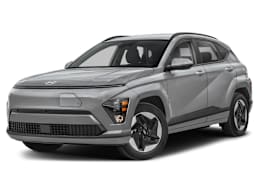
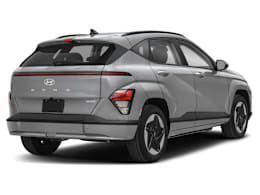
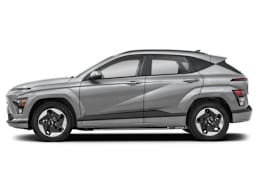
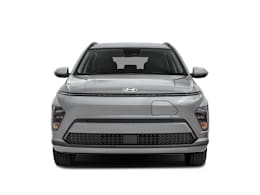
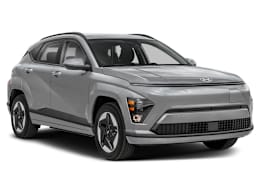
Hyundai Kona Electric

EPA Range: 261 miles

Reliability

Overall Reliability

The 2024 Kona Electric is less reliable than other cars from the same model year.

Most Common Trouble Spots
Common Trouble Spot
Common Trouble Spot

Owner Reported Trouble Spots

The Reliability score is based on our latest subscriber survey of 2024 Hyundai Kona Electric owners. The owner comments describe problems respondents experienced with this vehicle.

In-car Electronics

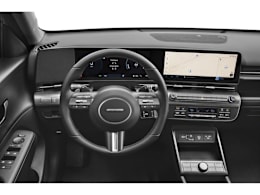
Infotainment system (audio, GPS, phone), rear entertainment system, backup or other camera/sensors, head-up display.

What Owners Say

Display screen goes blank

"For the first six months of ownership the car was at the dealership for the majority of the time trying to address the issue"

Anonymous, IL (2024 Hyundai Kona Electric Limited Electric)
Other in-car electronics problem

"There is only the one problem but it seemed to fit two of your categories. We really love this car otherwise."

Anonymous A., (2024 Hyundai Kona Electric Limited Electric)

EV Charging

Won't charge at home; won't work with some public chargers; won't fully charge; charge connection; charge port door.

What Owners Say

Charging app problem

""Started at the beginning ofdoesnt fully charge, cruise controls, charging phone and A/C drain the battery.""

Anonymous, CA (2024 Hyundai Kona Electric SEL Electric)
Problem charging in cold/bad weather

"Went from 100% to 88% sitting in the garage for 10 days."

Anonymous, CA (2024 Hyundai Kona Electric SEL Electric)

EV Battery

Electric/hybrid battery pack failure, replacement or malfunction, or cooling.

Brakes

Premature pad/rotor wear, pulsation or vibration, antilock system, parking brake, master cylinder, calipers, squeaking, brake failure, regenerative braking.

Drive System

Driveshaft or axle, CV joint, differential, transfer case, four-wheel-drive/all-wheel-drive components, driveline vibration, electrical failure, traction control, electronic stability control.

Body Hardware

Windows, locks and latches, doors or sliding doors, tailgate, trunk or hatch, mirrors, seat controls (power or manual), seat belts, sunroof, convertible top, glass defect.

Paint/Trim

Paint (fading, chalking, peeling, or cracking), loose interior or exterior trim or moldings, rust.

Electrical Accessories

Cruise control, clock, warning lights, body control module, keyless entry, wiper motor or washer, tire pressure monitor, interior or exterior lights, horn, gauges, 12V power plug, USB ports, alarm or security system, remote engine start, heated or cooled seats, heated steering wheel, headlights, automatic headlights, automatic wipers, wireless charging pad.

Noises/Leaks

Squeaks, rattles, wind noises, seals and/or weather stripping, air and water leaks.

Climate System

AC compressor, blower (fan) motor, condenser, evaporator, heater system, automatic climate system, electrical failure, refrigerant leakage.

Suspension/Steering

Shocks or struts, ball joints, tie rods, wheel bearings, alignment, steering linkage (includes rack and pinion), power steering (pumps and hoses, leaks), wheel balance, springs or torsion bars, bushings, electronic or air suspension.

2024 Sedans & Hatchbacks Reliability

This Car
vs. Similar Cars

Hyundai vs. Other New Car Brands Reliability

Reliability History
* Redesign year
00
01
02
03
04
05
06
07
08
09
10
11
12
13
14
15
16
17
18
19*
20
21
22
23
24*
25
Overall Reliability Verdict
POTENTIAL TROUBLE SPOTS
Powertrain
Electric Motor
EV Battery
EV Charging
Drive System
Suspension/Steering
Brakes
Climate System
Build Quality
Electrical Accessories
Body Hardware
Paint/Trim
Noises/Leaks
In-car Electronics
Reliability indicates how models have performed in the past, providing the basis for predicting how the vehicles will hold up in the year ahead. These charts provide the most comprehensive reliability information available to consumers. Based on information received from our latest subscriber survey for about 380,000 vehicles, our reliability history charts give you a rundown on how 2000 through 2025 vehicles are holding up in 20 potential trouble spots, ranging from the engine, transmission, electric motor, EV charging, and brakes, to power equipment and the electrical accessories.
Change Vehicle