Consumer Reports' Guide to Car Maintenance
Why your car needs an oil change, coolant flush, tire rotation, brake pads, and more. And mechanics' advice on how to save money on car care.


Nothing will do more to make your car last longer than keeping on top of basic upkeep, Consumer Reports’ experts say. According to the Federal Bureau of Transportation Statistics, cars on American roads were, on average, 12.6 years old in 2024, so it’s important to stay on top of maintenance and minor repairs before they become bigger—and more expensive—problems. While the best source for maintenance intervals is your car’s owner’s manual, these are the general guidelines.
Keeping your car well-maintained is the best way to make it last longer. "Staying on top of regular maintenance and getting repairs done before they create other problems will save you money in the long run," says John Ibbotson, associate director and chief mechanic at Consumer Reports’ Auto Test Center.
Before you head to the shop, you should also read our guide on how to save money on car repairs.






Car Maintenance That May Not Be Needed
A repair facility may recommend a service more frequently than your car manufacturer recommends, or repairs that go beyond fixing what’s presently broken. While more frequent maintenance certainly won’t hurt your car, overkill means overpaying in most cases. Here are some services you may not need.
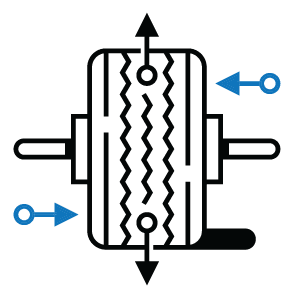
Tighter service intervals: If your mechanic suggests you come in for oil changes or tire rotations more frequently than the car’s owner’s manual recommends, don’t be afraid to ask why or push back if you don’t think your driving counts as “severe duty.”
Where to Shop
"You should also think about where you’re getting that service done," says Ibbotson. "You might be able to save a few bucks by going to whichever shop offers the lowest prices, but if you want consistent, reliable service, it’s best to find a repair shop you trust and stick with it."
Going to the same shop also means the facility will have a record of the work that has been done and will know what parts to keep an eye on. "That makes it easier for you to follow a regular maintenance schedule to keep your car in good condition, and for them to predict when certain repairs are likely to be needed," he says. For example, if the car has an oil seep, they’ll know about it and will tell you when it becomes a significant leak that needs fixing.
How to find the best shop for you? Start by understanding your options.
There are three basic types of repair facilities: dealership service departments, independently owned repair shops, and chains. The best option for you depends on your car and your situation.
Dealerships
Dealership service departments are usually great for the first few years when your new car is under warranty. This is especially true if you don’t plan to keep the car much longer than that. A car that’s been dealer-serviced may be more appealing to potential buyers, including the dealership itself. After that, however, the higher labor costs aren’t often worth it.
"Service departments are a profit center for the dealership," says Crossen, who’s also an ASE-certified master technician with years of experience working in dealership service departments. "They are obligated to handle warranty and recall repairs, but also offer other repair services that might be cheaper to have done elsewhere."
The dealer will have the factory original parts for your vehicle, as well as technicians trained by the manufacturer to be familiar with repairs specific to the brand. Dealerships are also equipped with expensive factory diagnostic computers.
According to CR’s repair shop survey, satisfaction ratings for dealer service departments range from very good (Acura, Lexus, Mazda, and Volvo) to not-so-good (Jeep and Kia). So your experience may depend on what kind of car you own.
Best For
Fixing infotainment system glitches: "If the screen in the center of your dash has a habit of freezing up, or the touchscreen-activated climate controls aren’t working, the dealership is the most likely place to find someone with the know-how to fix problems that maybe only a factory-authorized technician can access," Ibbotson says.
Safety system recalibration: "Anything from a crack in your windshield to a minor fender bender can upset the calibration of the sensors that make features like automatic emergency braking and adaptive cruise control work," says Ibbotson. The sensors can be located on the thin plastic that covers your bumpers or inside the windshield. Many independent shops aren’t equipped to recalibrate the sensors so that they can accurately calculate the car’s position in relation to other cars and road hazards. The dealership will most likely have the equipment and experience to do this work correctly.
Software updates: Modern cars are basically rolling computers, with dozens to hundreds of computer modules controlling everything from power windows to engine and transmission operation. "A software malfunction can cause any number of problems—a poorly shifting transmission or exterior lights that don’t illuminate, for example—and may have to be tackled at the dealership, which should have technicians trained on these specific problems," says Ibbotson. Newer cars may be able to receive software updates wirelessly, but older ones will need face time with a technician if there’s an issue.
Warranty repairs and recalls: When a manufacturer issues a recall for components such as faulty airbag systems or malfunctioning brakes, the dealership will fix the problem free of charge. Same with malfunctioning cars still under a factory warranty. "An independent shop could possibly fix the problem, but you would have to pay," Ibbotson says.
Not So Great For
Saving money on service and repairs that could be done at a qualified independent shop for less.
Independent Repair Shops
Independent shops can be a great option for someone who wants top-notch service from experienced technicians but also wants to save money on parts and labor compared with what a dealership might charge. According to CR’s repair shop survey, independent repair shops received excellent scores for honesty, quality of work, time to complete the repair, and communication. They also received very good scores for price and getting the problem solved on the first visit.
While independent repair shops can do most of what a dealer service department can, "some specialize in certain types of vehicles, such as luxury European cars, or even EVs," says Crossen. He adds that when your car has a problem, the independent shop you visit regularly should give you an honest appraisal of what’s needed and refer you to a specialist or dealership if they don’t think they can handle the job.
Best For
Basic maintenance: "Simple maintenance like oil changes or fluid level checks that aren’t covered by a new-car warranty doesn’t need to be done by a factory-trained mechanic," says Ibbotson. "Any experienced tech will do. Performing these procedures is a good opportunity for your regular independent technician to check in on your car’s overall health."
Suspension shocks/struts: How long shocks and struts last depends on the road surfaces you drive on. Rough roads wear them out more quickly. Worn struts, shocks, and other suspension parts can lead to unsafe braking and handling. Replacing them is usually pretty straightforward and can be handled by any competent mechanic.
Major engine repair: Labor-intensive jobs, such as timing belt replacement or installation of a new transmission, can usually be handled well by an independent repair shop.
Water pump: This is an essential part of your car’s cooling system (even in EVs), and will eventually wear out and need replacement. "Independents can replace it when needed," Ibbotson says.
Alternator: In a car with a conventional engine, the alternator converts engine power into electricity to charge the battery and power electronic components. "How easy it is to replace depends on the car’s make and model, but most shops should be able to do it," says Ibbotson. "Hybrid cars have a different type of system, so if the battery isn’t charging, you’ll probably have to go to a dealership or hybrid specialist."
Not So Great For
Dealerships are best able to handle repairs that require special factory tools and software. They can purchase the special tools and have a direct connection to the automaker’s technology systems.
Chain Repair Shops
Chain repair shops had high scores in our ratings, and Goodyear Auto Service received top-level scores for overall satisfaction. "Chain repair shops can be a great place to get basic services such as tire installations and wheel alignments at a reasonable price," Ibbotson says. "But generally speaking, independent repair shops are better for most other repairs because they usually have more experienced technicians."
Best For
Tires: Tire replacement is sometimes cheaper at a tire repair chain. Be wary, though, of repair recommendations for other car parts. Also, "don’t feel forced into getting whatever tires the place has on the shelf," says Ryan Pszczolkowski, CR’s tire program manager. "First, determine the type of tires you need, then ask the shop to order them. Most will." (See our tire buying guide and ratings.)
Alignment: You should get the wheels aligned when you buy tires (or have suspension parts replaced). Most tire chains have alignment equipment and technicians.
Oil changes: A quick-lube shop is a fine alternative for handling oil changes and other easy-to-perform fluid changes. To be safe, have your owner’s manual available with information on the type of oil or fluid to use and the proper quantities for your vehicle.
Not So Great For
More complicated repairs that require the expertise of an experienced technician.
More on Maintenance and Reliability
• Consumer Reports’ Car Maintenance and Repair Guide
• When to Replace Your Tires
• Best Car Batteries for the Money Based on Extensive Testing
• Can Using Gas With 15 Percent Ethanol Damage Your Car?
• Who Makes the Most Reliable New Cars?
• 12 Long-Lasting Cars Proven to Get to 200,000 Miles and Beyond
• Car Brands Ranked by Maintenance and Repair


