Consumer Reports Health News — February 2011
HELP FOR YOUR HEART
In recognition of February being Heart Health Month, Consumer Reports Health is unveiling several tools for consumers to help gauge their cardiovascular health, including a new heart risk calculator and Ratings for nine common heart screenings. Consumer Reports Health explains that, when it comes to screening tests for heart disease, more is not always better. Other tools include a new Best Buy Drugs report identifying the best options for treating high blood pressure, guidance on purchasing supplements to improve heart health, and Ratings of 13 at-home blood pressure monitors. Vigorous exercise is a key component to heart disease prevention. To help consumers monitor the intensity of their workouts, Consumer Reports Health rates a variety of heart rate models, including two “best buys.”
WHICH BLOOD PRESSURE DRUG IS BEST FOR YOU?
High blood pressure triggers more heart attacks and strokes in the U.S. than any other cause, and contributes to more deaths worldwide than smoking, diabetes, or obesity. In a new report in the February issue of Consumer Reports on Health and available for free online at www.ConsumerReportsHealth.org, Consumer Reports Health identifies the best drug choices to treat high blood pressure. The first choice for many people is usually a diuretic, which can be purchased as a low cost generic. Still, many doctors routinely prescribe newer, expensive drugs. That can make sense for people who have health problems that can be worsened by diuretics, such as gout or kidney disease. But if a patient is otherwise healthy and their doctor recommends a drug other than a diuretic, consumers should ask why.
Some highlights from the report on blood pressure drugs and common side effects:
- Thiazide diuretics – The first choice, alone or with other drugs, for most otherwise healthy people. Common side effects: frequent urination, low potassium levels, and erectile dysfunction.
Beta-blockers – For people who also have angina (chest pain) certain heart rhythm and heart-muscle abnormalities, or a history of heart attack or stroke. Common side effects: drowsiness, fatigue, erectile dysfunction, and slowed pulse rate. - ACE inhibitors – For people who also have diabetes, heart failure, kidney disease, or a history of heart attack or stroke. Common side effects: persistent dry cough, high potassium levels, reduced kidney function, and in rare cases, sometimes fatal allergic reaction, angioedema, especially in African Americans.
- Angiotensin II receptor blockers – or ARBs – For people who would otherwise be good candidates for ACE inhibitors but can’t take them because of excessive coughing. ARBs are relatively expensive compared to other blood pressure-lowering drugs. Common side effects: similar to ACE inhibitors but less likely to cause coughing.
- Calcium channel blockers – For people who also have angina (chest pain), certain heart rhythm abnormalities, and possibly migraines. Common side effects: Dizziness, fast or slow heartbeat, flushing, headaches, swollen gums, and less often, breathing problems.
Consumer Reports Health recommends these steps to minimize the chance of side effects and increase the likelihood that a patient will stick with their therapy:
- Get blood levels of magnesium and potassium checked periodically since diuretics can deplete those minerals. Patients should call their doctor if they have cramps, begin vomiting, or if their heart rate or pulse increases, which can also indicate low levels.
- Watch for signs of gout (for example, an acutely inflamed knee or big toe).
- Diabetics should monitor their insulin level extra carefully because high blood pressure drugs can cause it to fluctuate.
- Follow dosing instructions carefully and read product labels for possible side effects.
A copy of this report is available online.
SUPPLEMENTS FOR THE HEART; CHOOSE CAREFULLY
Popping vitamin and mineral pills might seem like an easy way to boost heart health, but that's usually not the case. Folic acid, other B vitamins, and vitamins C and E failed to prevent heart attacks, strokes and death from cardiovascular disease in recent studies. While diets rich in those vitamins have been found to protect people from heart disease, supplements of them did not, underscoring the power of a healthy diet. Consumer Reports Health finds there is at least one supplement, however, that some people should consider: fish-oil pills. Omega-3 fatty acids, found naturally in the oil of fatty fish like salmon and sardines, appear to cut heart-attack risk by preventing blood clots and abnormal heart rhythms, and by lowering blood pressure and triglyceride levels for people who already have heart disease.
Tips if you opt for omega-3 or fish oil pills:
- Discuss the supplements with a doctor first, since high doses may cause bleeding and additional problems.
- Look for "USP Verified" products, which have been tested for potency and purity by the United States Pharmacopeia (USP), a non-governmental standard-setting authority.
- Those with heart disease already should aim for 1 gram a day of omega-3s, an amount that can only easily be achieved through fish-oil pills.
- People without heart disease should aim for two small servings of fatty fish a week. Good choices that are high in omega-3s but low in mercury include pollock, salmon, and tilapia.
- Don't take more than 3 grams a day unless your doctor gives the OK.
A copy of the free report is available online.
MONITORING BLOOD PRESSURE AT HOME
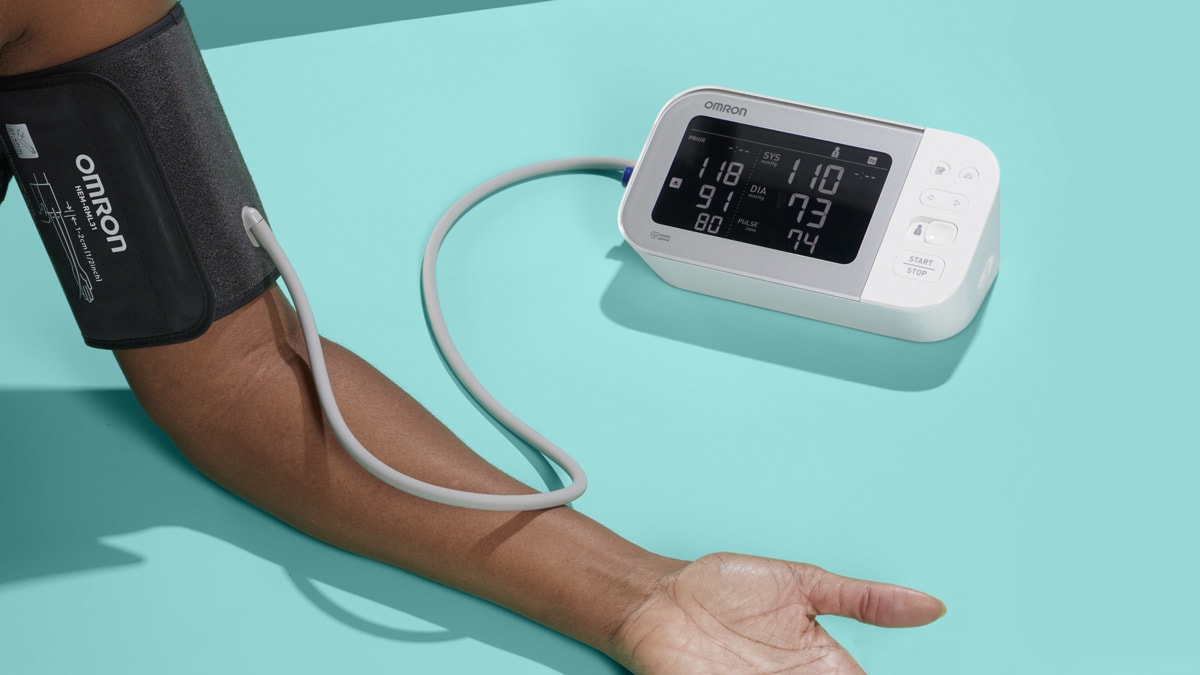
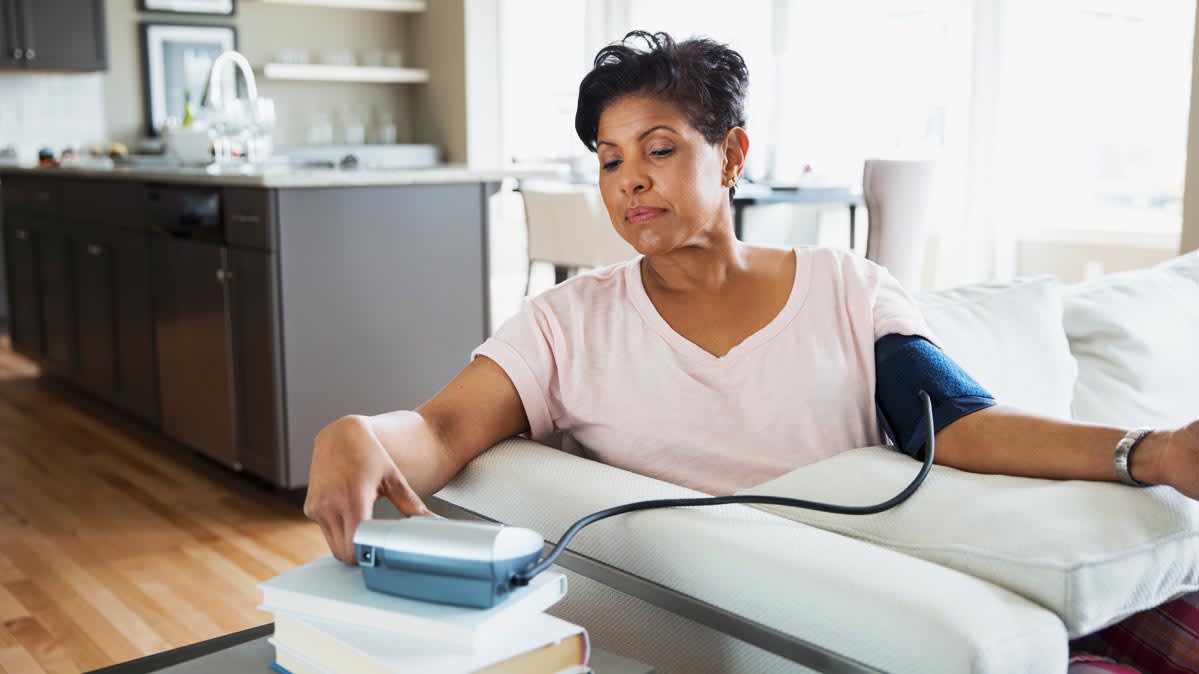
An individual may be a good candidate for at home blood pressure monitoring if they’re a senior, whose blood pressure can vary; someone who experiences "white-coat hypertension," a spike in blood pressure when tested in a doctor's office or hospital; or if they’re diabetic. Before purchasing a blood pressure monitor, Consumer Reports Health recommends talking to your physician to decide whether at home monitoring is necessary. The American Heart Association and other medical groups recommend that people with hypertension or suspected high blood pressure routinely monitor themselves.
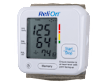
Consumer Reports Health tested 13 models. Six models received Excellent overall scores and seven received Excellent scores for accuracy. Just one model received Poor accuracy and overall scores in our blood-pressure tests. One of the monitors, the ReliOn HEM-741CREL (available at Walmart; $40), was designated a “Best Buy,” meaning that it combines price and performance.
GETTING THE MOST FROM A WORKOUT WITH A HEART RATE MONITOR
One of the best things you can do for your heart is vigorous exercise. A heart rate monitor can help track the intensity of a workout and prevent athletes from straying too far outside their target zone. Consumer Reports Health tested 13 models, ranging in price from $35 to $110, and found that most had excellent accuracy. But depending on one’s style of exercise, a chest-strap model might offer advantages over a wrist monitor, particularly for those who cycle, run, or swim. The benefit of a chest-strap is that it allows the athlete to move freely, since one can get their heart-rate reading without touching anything. The wrist-only models require individuals to touch the device to get a reading. Consumer Reports Health designated two “Best Buys,” which are both chest straps: The Timex Personal Trainer T5G971 ($50) and the Omron HR-100C ($40). For more Ratings and advice, log on to www.ConsumerReportsHealth.org.